
I have spent more than twenty years helping businesses choose office equipment, and if there is one thing I have learned, it is this: most people sign their copier lease agreement without really understanding what they are committing to.
It is not their fault. These contracts are written in language that seems designed to confuse. Terms like "finance lease," "operating lease," "residual value," and "fair wear and tear" get thrown around as if everyone knows what they mean. Most people do not.
This guide is different. I am going to walk you through everything you need to know about copier lease agreements in plain English. No jargon, no small print tricks, just honest advice from someone who has seen it all.
What Is a Copier Lease?
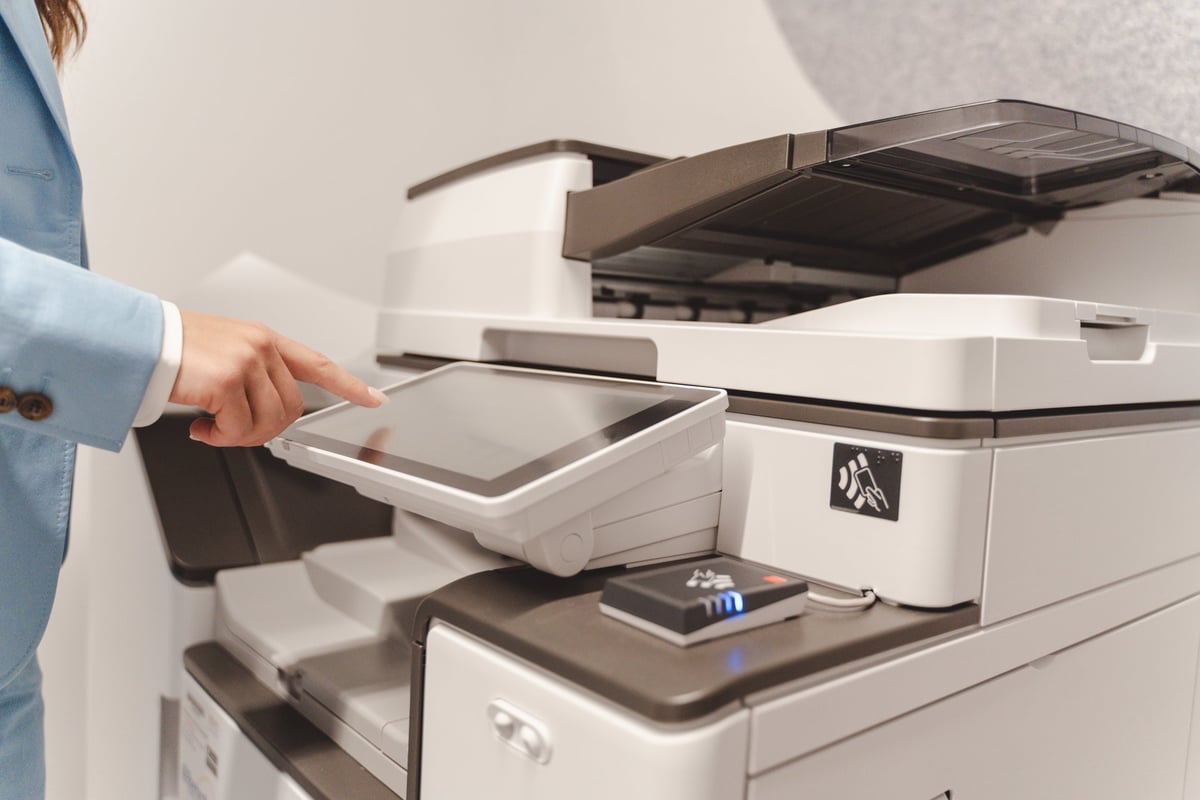
A modern office photocopier — the equipment at the centre of most leasing and rental agreements.
A copier lease is a financial agreement where you pay a fixed monthly amount to use a photocopier for a set period, usually between three and five years. At its simplest, it is like renting a flat on a long-term contract. You get the keys, you use the space, but you do not own it.
The leasing company buys the machine and you pay them back over time, with interest. At the end of the agreement you typically have three options: return the machine, extend the lease, or buy it outright for a pre-agreed amount.
It sounds straightforward enough. The trouble is, the detail is where things get complicated. Let me explain the differences.
How a Lease Differs from Renting
This is the question I get asked most often, and it is an important one. A photocopier lease and a photocopier rental are fundamentally different things, and confusing the two can be an expensive mistake.
When you lease a photocopier, you sign a fixed-term financial agreement. You are locked in for the duration. If your business changes, if you need a different machine, if you want to downsize — tough. You are paying until the contract ends, whether you use the machine or not.
A copier rental, by contrast, is a service agreement. You pay a simple monthly fee to use the equipment, and you can typically swap, upgrade, or return it with much shorter notice periods. There is no long-term debt on your balance sheet, and no punitive exit fees if your circumstances change.
Think of it like this: a lease is a mortgage on a house you may not want in five years. A rental is a tenancy that gives you the flexibility to move when you need to.
Finance Leases and Operating Leases Explained

Understanding the difference between finance and operating leases is essential before signing anything.
There are two main types of copier lease, and they work quite differently. Knowing which one you are being offered matters.
Finance Lease
With a finance lease, you are effectively borrowing money to buy the photocopier. The lease company owns the machine on paper, but for accounting purposes it sits on your balance sheet as an asset. You are responsible for maintenance, insurance, and all running costs. At the end of the term you either sell the machine to a third party and keep any surplus, or you pay a small secondary rental period to keep using it.
Finance leases suit larger organisations with in-house IT teams who want eventual ownership and can handle the admin. They are less suited to small or growing businesses that value simplicity.
Operating Lease
An operating lease is closer to a long-term rental. The leasing company retains ownership and the machine stays off your balance sheet. You pay a fixed monthly amount, and at the end of the term you hand the machine back. Maintenance is often bundled into the payment.
On paper, an operating lease looks more flexible than a finance lease. But remember, you are still tied into a fixed contract lasting several years. If you want genuine flexibility, a photocopier rental agreement typically offers even shorter commitment periods and simpler terms.
What Your Monthly Payment Actually Covers
One of the biggest surprises for businesses signing a copier lease is discovering what is not included in the monthly figure they were quoted.
Usually Included
- The photocopier hardware itself.
- Basic delivery and installation.
- Standard warranty (though check the length).
Often NOT Included (Unless Negotiated)
- ✕Toner and ink cartridges.
- ✕Drums, fusers, and other replacement parts.
- ✕Routine servicing and preventative maintenance.
- ✕Engineer call-out charges.
- ✕Software licences for print management.
- ✕Network configuration and IT support.
- ✕End-of-lease collection fees.
- ✕Damage repairs beyond fair wear and tear.
I have seen businesses sign a lease thinking the monthly payment covers everything, only to discover six months in that a replacement toner cartridge costs £180 and a service call is £95 an hour. Always ask for a written breakdown of what is and is not included before you sign anything.
Minimum Contract Terms, Fair Wear and Tear, and the Small Print
Minimum Contract Terms
Most copier leasing agreements in the UK run for between 36 and 60 months. Three years is the minimum many providers will offer on an office copier lease, and five years is common for higher-specification machines. The longer the term, the lower the monthly payment — but you pay more overall, and you are stuck with ageing equipment.
Fair Wear and Tear
This phrase appears in nearly every lease agreement and causes more disputes than any other. Fair wear and tear means the gradual deterioration you would expect from normal use over the contract period. Minor scratches, slightly worn buttons, faded labelling — these are generally accepted. What is not accepted: cracked screens, dents from being knocked, spill damage, or anything that looks like neglect.
The problem is that "fair" is subjective. One leasing company's inspector might pass a machine; another might bill you for the same condition. Ask your provider to give you a written fair wear and tear guide before you sign. Better still, take dated photographs when the machine is installed so you have a record of its initial condition.
End of Contract Options
At the end of a copier lease, you typically have three paths: return the equipment (and possibly pay a collection fee), extend the lease (often on rolling monthly terms at a higher rate), or buy the machine for its residual value. The buyout price should be stated in your original agreement. If it is not, that is a red flag.
Early Termination Charges
If you need to end your copier lease early, expect to pay. Most providers charge between 50% and 100% of the remaining payments. So if you are 18 months into a 60-month lease paying £150 a month, you could be looking at a bill of £6,300 or more just to walk away. That is a heavy price for a business that needs to downsize or has found a better deal.
Automatic Renewals
This is one of the nastiest traps in copier leasing. Many agreements include an auto-renewal clause: if you do not give written notice within a specific window (often 90 days before the end date), the lease rolls over for another 12 months. Businesses miss this deadline all the time and find themselves paying for another year of a machine they planned to replace. Set a calendar reminder the day you sign. Write it in big letters. Do not rely on the leasing company to remind you.
Maintenance Agreements, Consumables, and Meter Readings
Maintenance Agreements
A maintenance agreement covers the cost of keeping your machine running: engineer visits, replacement parts, and labour. Some leases bundle maintenance into the monthly payment; others charge it separately. If it is separate, find out the cost and what specifically is covered. A typical service response time for a business photocopier is four to eight working hours, but check whether your agreement guarantees this or merely targets it.
Consumables
Consumables are the things your photocopier uses up: toner, waste toner bottles, drums, fuser units, and sometimes staples. Some agreements include all consumables; others include only toner and charge separately for everything else. Make sure you know which you are signing up for. An all-inclusive managed print services agreement costs more per month but eliminates surprise bills.
Meter Readings
Most office copier leases are structured around a cost-per-page model beyond a monthly allowance. Your machine records meter readings — the number of black-and-white and colour pages printed — and if you exceed your allowance, you pay an overage charge per page. These charges are usually a few pence, but they add up quickly. A business printing 2,000 extra colour pages a month at 5p per page is spending an additional £100 a month they did not budget for. Ask what your included page allowance covers and what the overage rates are.
Upgrade Options and Hidden Costs to Watch For

Hidden charges in copier agreements can catch even experienced business owners off guard.
Upgrade Options
Some copier lease agreements offer a mid-term upgrade path: you can swap your current machine for a newer model partway through the contract. This sounds appealing, but read the detail. Upgrading usually resets the contract clock, so you start a new 36 or 48-month term from scratch. You may also owe a settlement figure on the old agreement. Factor that in before saying yes.
Hidden Costs Businesses Should Look Out For
After two decades in this industry, here are the hidden costs I have seen catch businesses out:
- ⚠Delivery and installation fees. Some suppliers quote a low monthly rate and then charge £200 for delivery. Ask upfront.
- ⚠Collection charges at end of lease. You may be billed £100–£300 to have the machine collected when the agreement ends.
- ⚠Excess page charges. If your monthly page allowance is too low, overage costs can dwarf your base payment.
- ⚠Annual price increases. Many agreements include an annual uplift tied to RPI or CPI, typically 3%–5%. A £120 monthly payment can quietly become £145 over five years.
- ⚠Restocking fees on unused equipment. Some leases include a fee if you return consumables that were ordered but not used.
- ⚠Software and driver licence costs. Print management software is sometimes quoted separately and added to your first invoice.
Common Mistakes Businesses Make
I have watched hundreds of companies navigate copier leasing decisions, and the same mistakes come up again and again. Here are the most common ones.
Signing without reading the full agreement
This sounds obvious, but you would be surprised how many people skim the cover page and sign. Every clause matters. If you do not understand something, ask. If they cannot explain it clearly, walk away.
Underestimating print volumes
Businesses often base their page allowance on current usage without accounting for growth. If your team expands or you win a large contract, your printing needs may double. An allowance that looks comfortable today can become expensive in year two.
Not checking the notice period for cancellation
As I mentioned earlier, auto-renewal clauses are a trap. Many leases require 90 days' written notice to cancel. If you miss the window, you are locked in for another term. Calendar reminders are your friend.
Choosing the cheapest monthly payment
A low headline figure is tempting, but it often means a longer term, fewer pages included, and more exclusions. Look at the total cost over the full agreement period, not just the monthly number.
Forgetting to check what happens if the business changes
If you move premises, if the business is sold, if you downsize — what happens to the lease? Most agreements are not forgiving. Check the assignment and relocation clauses before signing.
Assuming maintenance covers everything
A maintenance agreement covers mechanical faults, not accidental damage. If someone spills coffee into the paper tray, you are paying for the repair. Check whether your office insurance covers equipment damage.
Not comparing leasing with copier rental
Many businesses default to leasing because that is what they have always done. But <Link to="/rentals" className="text-[#bf3644] font-semibold hover:text-black transition-colors no-underline">photocopier rental</Link> has changed a lot in recent years and often works out cheaper and simpler, especially for small and medium-sized businesses. At least get a rental quote alongside your lease quotes so you can compare properly.
Why Renting a Photocopier Is Often Better Than Leasing
I am going to be direct here. For most UK businesses, particularly small and medium-sized ones, a photocopier rental makes far more sense than a copier lease. Let me walk through the reasons, one by one.
Greater Flexibility
With a rental agreement, you are not locked into a multi-year commitment. If your business grows and needs a faster machine, you upgrade. If you downsize, you swap to a smaller model. If you do not need a copier at all anymore, you give notice and return it. Leasing cannot match that kind of adaptability.
No Long-Term Financial Commitment
A lease ties you to monthly payments for years. That is a liability on your books and a drag on your cash flow if things get tight. A rental keeps your obligations short and manageable.
Easier Upgrades
Office technology moves fast. The photocopier you lease today will be three generations out of date by the time your contract ends — and you will still be paying for it. With a rental, swapping to a newer model is usually straightforward and may not cost much more per month.
Predictable Monthly Costs
A good rental package bundles the machine, maintenance, toner, and support into a single monthly figure. No surprise bills, no overage shock, no engineer call-out charges. You know exactly what leaves your account each month.
No Expensive Exit Penalties
As I explained earlier, ending a lease early can cost thousands of pounds. Most rental agreements require a month or two of notice and that is it. The difference in financial risk is enormous.
Better for Growing Businesses
A business that doubles in size every couple of years cannot afford to be stuck with the same office photocopier for five years. Rental agreements let you scale your equipment as your team grows, adding faster machines or additional units when you need them.
Better for Seasonal Businesses
If your work peaks at certain times of year — like an accountancy practice during tax season or a school during exam period — a rental lets you bring in extra capacity for the busy months and scale back when things quieten down. You cannot do that with a lease.
Better Cash Flow
Rental payments are an operating expense, not a capital commitment. There is no large upfront payment and no debt on your balance sheet. For a business watching its cash carefully, that matters.
Less Financial Risk
If the economy turns, if a contract is lost, if things simply do not go to plan — a rental can be handed back. A lease follows you around. It is that simple.
Access to Newer Technology
This is the point that matters most to me. Technology does not stand still, and the businesses that thrive are the ones that can adopt new tools quickly. When you rent a photocopier, you can upgrade to the latest equipment as soon as it becomes available rather than waiting for your lease to expire. That competitive advantage is real.
The bottom line.
A lease commits you to a machine for years. A rental gives you a machine for as long as you need it. For most businesses, that distinction alone makes the rental the smarter choice. Explore our photocopier rental plans to see how affordable flexibility can be.
Modern AI Photocopiers: Why Flexible Agreements Matter
The office photocopier has changed dramatically in the last few years. Today's machines are not just printers — they are intelligent document hubs powered by artificial intelligence. If you are signing a five-year lease on a traditional machine, you are already falling behind.
Here is what a modern AI photocopier can do:
AI assisted workflows
The machine learns your regular tasks — scanning invoices to accounts, sending reports to specific email addresses, archiving contracts to a cloud folder — and automates them. What used to take six button presses now takes one.
Intelligent scanning
Optical character recognition has become remarkably accurate. An AI photocopier can scan a document, recognise its contents, and convert it into editable, searchable text. It can even identify whether a document is an invoice, a contract, or a CV and route it accordingly.
Cloud integration
Scan directly to SharePoint, Google Drive, Dropbox, or OneDrive without touching a computer. Documents captured at the copier appear where your team actually works.
Automated document routing
Set rules once and let the machine handle the rest. An invoice from Supplier A goes to Finance. A signed contract goes to Legal. A new employee form goes to HR. No one has to remember the process — the photocopier does it.
Better security
AI-powered devices can detect suspicious print activity, enforce user authentication, and automatically redact sensitive information from scanned documents. In an era of GDPR and data protection obligations, these features are not luxuries — they are essential.
Predictive maintenance
The machine monitors its own components and alerts your supplier before anything breaks. A part that is wearing out gets replaced during a scheduled visit rather than failing mid-job. Downtime drops dramatically.
Energy efficiency
Modern AI photocopiers use sensors to enter deep sleep when idle and wake almost instantly when needed. Over the life of the machine, the electricity savings compared to an older model can run into hundreds of pounds.
Here is the thing: these technologies are improving every year. The AI photocopier you can rent today is better than the one available twelve months ago. In another twelve months, it will have taken another leap forward.
If you are locked into a five-year copier lease, you watch those advances from the sidelines while still paying for yesterday's machine. A flexible photocopier rental agreement means you can upgrade when the technology moves, not when the contract says you are allowed to.
Questions to Ask Before Signing Any Copier Agreement
Print this list. Take it with you. Go through every question and write down the answer. If a supplier dodges any of these, that tells you something.
Frequently Asked Questions
What is the difference between a copier lease and a copier rental?
A copier lease is a fixed-term financial agreement, typically lasting three to five years. You cannot exit early without paying substantial penalties. A photocopier rental is a shorter, more flexible service agreement that lets you swap or return the machine with minimal notice. Rentals are generally better for businesses that value flexibility and predictable costs.
How long does a typical office copier lease last?
Most office copier lease agreements in the UK run between 36 and 60 months. Three-year terms are common for smaller desktop machines; five-year terms are typical for larger freestanding multifunction devices. Some providers offer 24-month leases, though the monthly cost is usually higher.
What happens if I exceed my monthly page allowance?
You pay an overage charge for every extra page. These rates vary by provider but typically range from 1p to 5p per black-and-white page and 4p to 10p per colour page. If your print volumes are unpredictable, ask about a managed print services agreement that includes unlimited or pooled pages across your fleet.
Can I end my copier lease early?
Yes, but it will cost you. Early termination charges on a copier lease usually range from 50% to 100% of the remaining payments. For example, if you have 24 months left at £150 per month, you could owe between £1,800 and £3,600. Always check the early termination clause before signing.
What is residual value in a photocopier lease?
Residual value is the estimated worth of the photocopier at the end of the lease term. It is used to calculate your monthly payments: the higher the residual value, the lower your payments (because you are paying off less of the machine's value). It also determines the buyout price if you want to keep the equipment at the end.
Are toner and maintenance included in a copier lease?
Not always. Some photocopier leases bundle toner and maintenance into the monthly payment; others quote them separately. If they are separate, expect to pay a maintenance charge based on your print volumes plus the cost of consumables. Always confirm in writing what is included.
What is managed print services?
Managed print services, or MPS, is an all-in-one agreement where a provider supplies, maintains, and monitors your entire fleet of printers and photocopiers. You pay a single cost-per-page rate that covers hardware, toner, parts, servicing, and support. It simplifies budgeting and eliminates surprise costs. MPS is worth considering if your business has multiple print devices from different manufacturers. We offer tailored <Link to="/workplaces" className="text-[#bf3644] font-semibold hover:text-black transition-colors no-underline">office printing solutions</Link> for businesses of every size.
Do I need a photocopier for a small office of only two or three people?
It depends on your printing and scanning needs. A small desktop multifunction device may be sufficient. But many small businesses benefit from an entry-level freestanding office photocopier because the cost per page is lower, the scanning is faster, and the machine handles higher volumes more reliably. A rental lets you try a machine without a long-term commitment.
What is the advantage of renting a photocopier instead of buying one outright?
Buying a business photocopier outright ties up capital, leaves you responsible for all maintenance and consumable costs, and means you own a depreciating asset that will be worth very little in a few years. Renting keeps the cost as a predictable monthly operating expense, includes maintenance and toner, and lets you upgrade when newer technology becomes available.
How do meter readings work?
Your photocopier records every page it prints or copies, split between black-and-white and colour. Most agreements include a monthly allowance of pages, and the meter reading determines whether you are within your allowance or owe overage charges. Meters can usually be read remotely by your provider, though some older machines require manual readings.
Are AI photocopiers worth the extra cost?
For most businesses, yes — and the cost difference is shrinking. An AI photocopier saves staff time through automated workflows, intelligent scanning, and document routing. It also improves security and reduces energy consumption. The productivity gains alone often justify the modest additional monthly cost, especially on a rental agreement where you are not locked in.
What should I look for in an office printing solutions provider?
Look for a provider with a track record, transparent pricing, and local service engineers. Ask how long they have been in business, whether they carry spare parts, and what their average service response time is. A good provider will ask about your workflows before recommending equipment — not just push the most expensive machine. Independent reviews and client testimonials are also worth checking.
Get Advice Before You Sign
I have spent this guide explaining the ins and outs of copier lease agreements, and if you take one thing away, I hope it is this: do not sign anything without understanding exactly what you are committing to.
A photocopier agreement can be one of the largest ongoing expenses your office has, after staff and rent. Yet too many businesses treat it as an afterthought — a box-ticking exercise to get a machine in the corner. That is a mistake. The right agreement, with the right provider, saves you money, improves productivity, and keeps your options open. The wrong one drains your budget and limits your choices for years.
Before you commit to any office copier lease, speak with an expert who can help you compare your options. Whether it is a traditional lease, a flexible rental, or a fully managed print service, there is an arrangement that fits your business — but only if you ask the right questions.
If you would like to talk through your options, get in touch with our team. We have been helping businesses with office printing solutions for decades, and we would be happy to give you honest, straightforward advice with no pressure and no obligation. Sometimes a twenty-minute conversation saves you five years of regret.